
Space News
SpaceNews
- Space Force taps K2 satellites to test laser communications for missile-defense
 by Sandra Erwin on May 1, 2026 at 12:30 am
Experiments will attempt to establish crosslinks from medium Earth orbit satellites The post Space Force taps K2 satellites to test laser communications for missile-defense appeared first on SpaceNews.
- SpaceComputer to conduct on-orbit test of secure computing infrastructure
 by Debra Werner on April 30, 2026 at 11:38 pm
SAN FRANCISCO — SpaceComputer, a Singapore-based startup developing distributed computing infrastructure, is preparing to test its hardware and software in orbit later this year. The startup’s first product, Space Fabric, is a hardware and software architecture with secure and physically isolated computing elements to link ground stations with satellites and enable satellites to share computing The post SpaceComputer to conduct on-orbit test of secure computing infrastructure appeared first on SpaceNews.
- Northrop Grumman delivers sensor for missile-warning satellite as Pentagon cancels program
 by Sandra Erwin on April 30, 2026 at 10:37 pm
The Next-Generation OPIR Polar satellite procurement faces ax as Pentagon cites alternatives in low and medium Earth orbit to replace coverage The post Northrop Grumman delivers sensor for missile-warning satellite as Pentagon cancels program appeared first on SpaceNews.
- U.S. investors dominate Europe’s private-led space scale-up rounds
 by Jason Rainbow on April 30, 2026 at 6:51 pm
While European space startups are attracting more venture capital, their private-led growth rounds remain anchored by U.S. investors rather than regional investment firms. The post U.S. investors dominate Europe’s private-led space scale-up rounds appeared first on SpaceNews.
- House appropriators keep NASA funding flat
 by Jeff Foust on April 30, 2026 at 3:06 pm
A House appropriations subcommittee advanced a spending bill April 30 that would keep overall NASA funding at 2026 levels, rejecting a 23% cut proposed by the White House. The post House appropriators keep NASA funding flat appeared first on SpaceNews.
Space.com
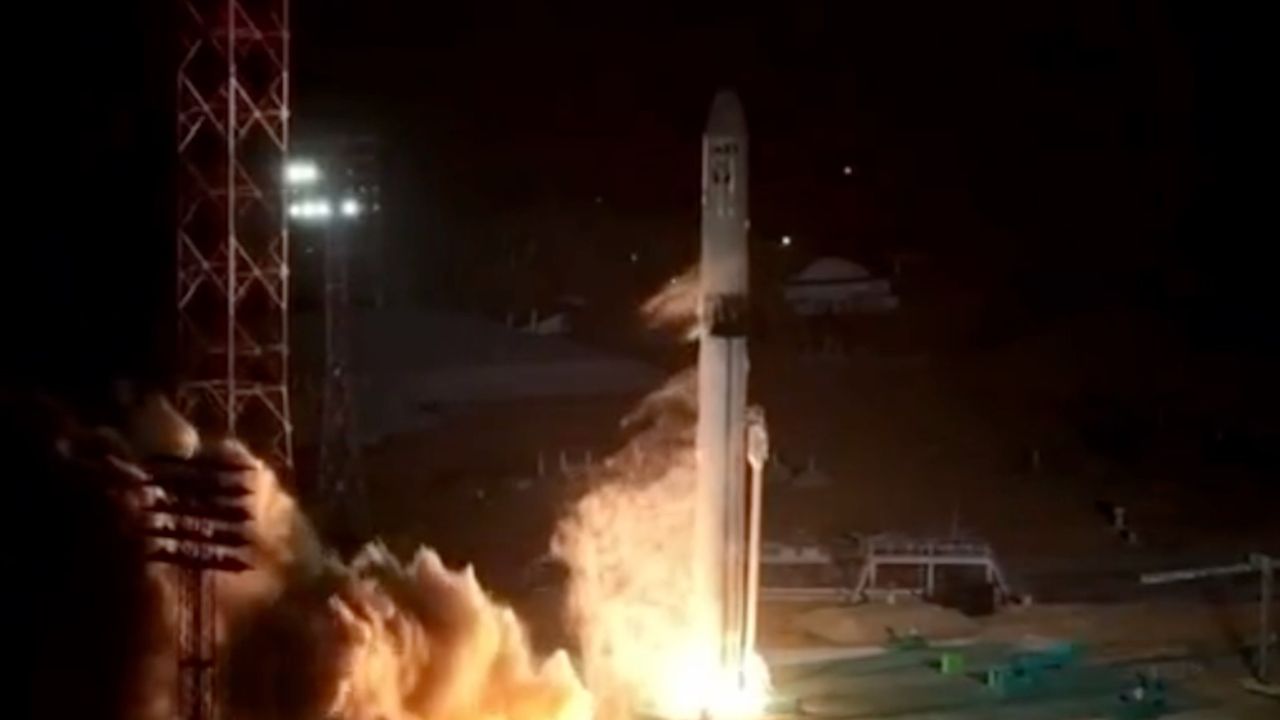
- Russia’s new homegrown Soyuz 5 rocket aces debut launch
 by mwall@space.com (Mike Wall) on April 30, 2026 at 10:00 pm
Russia launched its Soyuz 5 medium-lift rocket for the first time ever on Thursday (April 30), and things apparently went well.
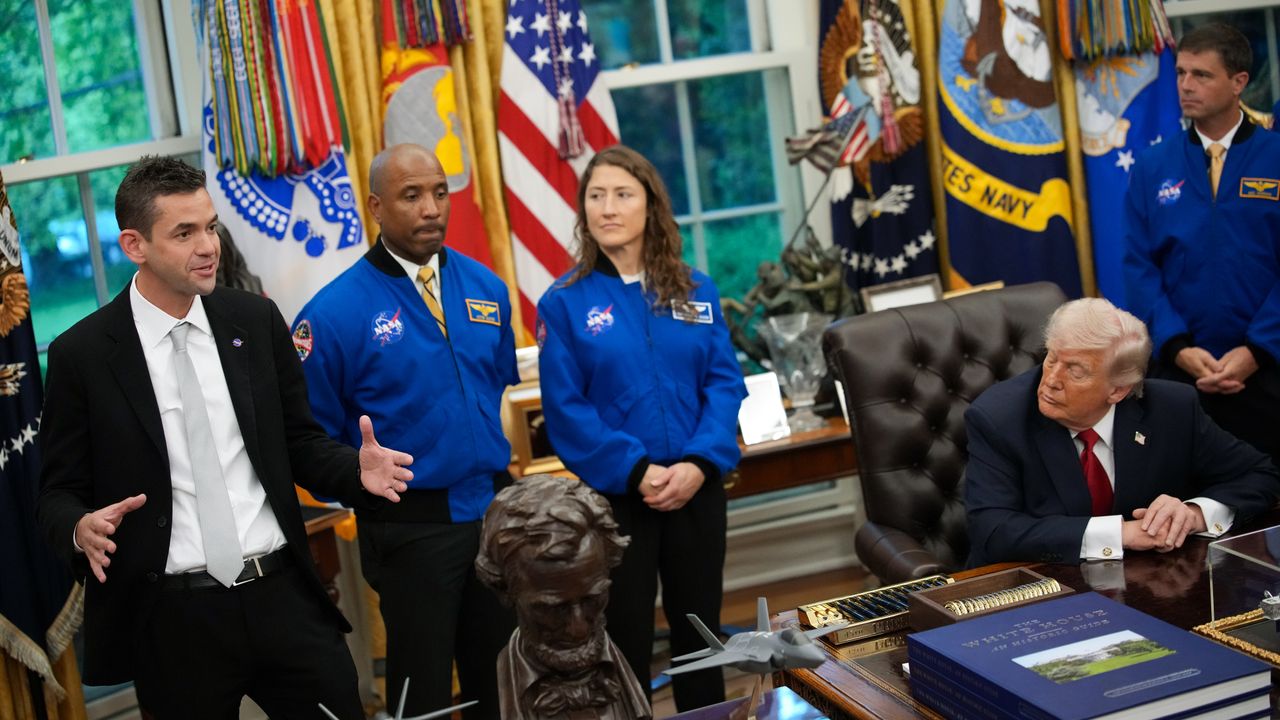
- Artemis 3 has been pushed to late 2027. Can NASA still land astronauts on the moon in 2028?
 by jdinner@space.com (Josh Dinner) on April 30, 2026 at 9:00 pm
Artemis 3 slips to late 2027 as Starship and Blue Moon lag, delaying NASA’s lunar return timeline and jeopardizing a 2028 moon landing.
- US Space Force wants space-based missile interceptors for Golden Dome ready by 2028
 by brett.tingley@futurenet.com (Brett Tingley) on April 30, 2026 at 8:00 pm
The United States Space Force has created a new program to develop space-based missile interceptors, with the goal of being able to demonstrate their capability by 2028.
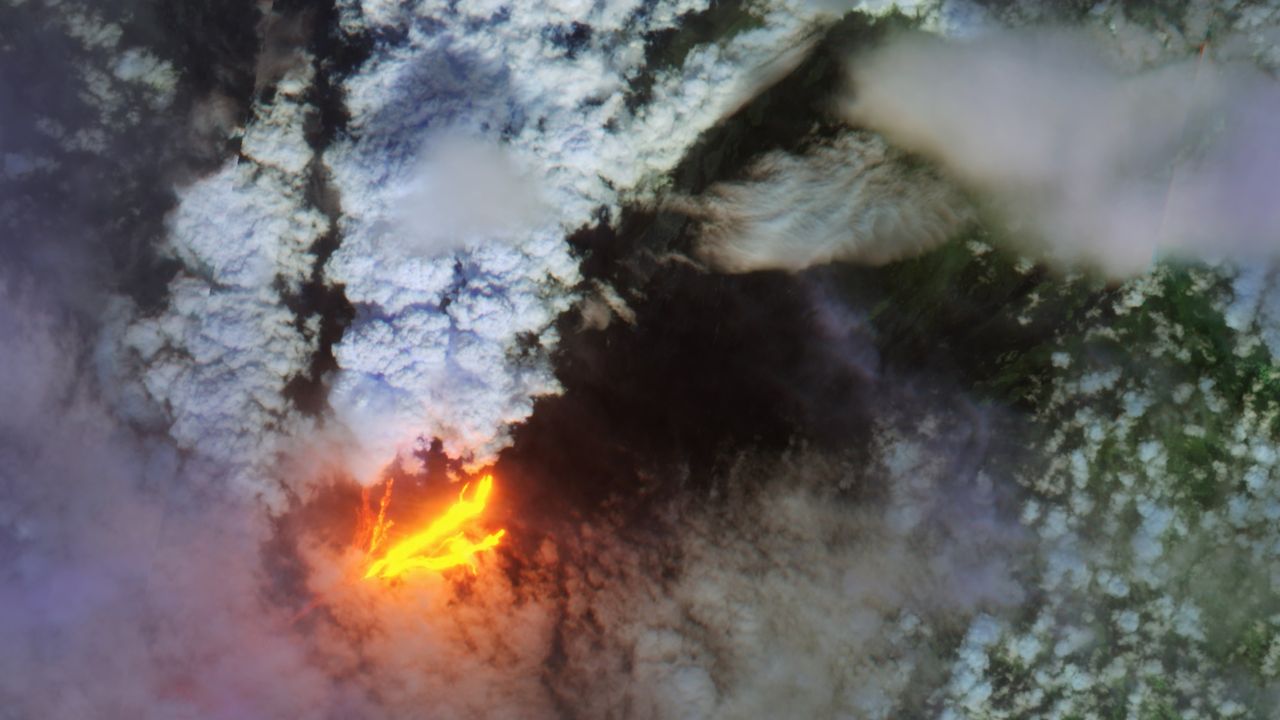
- Is Venus volcanically active? Big Hawaiian eruption in 2022 could help scientists find out
 on April 30, 2026 at 7:00 pm
Evidence suggests that Venus is still volcanically active, and new data about a big eruption in Hawaii a few years ago could help scientists find out for sure.
- Meet the legendary heroes and villains of ‘Masters of the Universe’ (video)
 by stingrayghost@gmail.com (Jeff Spry) on April 30, 2026 at 6:00 pm
‘When we started visualizing this world, we wanted to do right by the fans’