universeofmartian@gmail.com

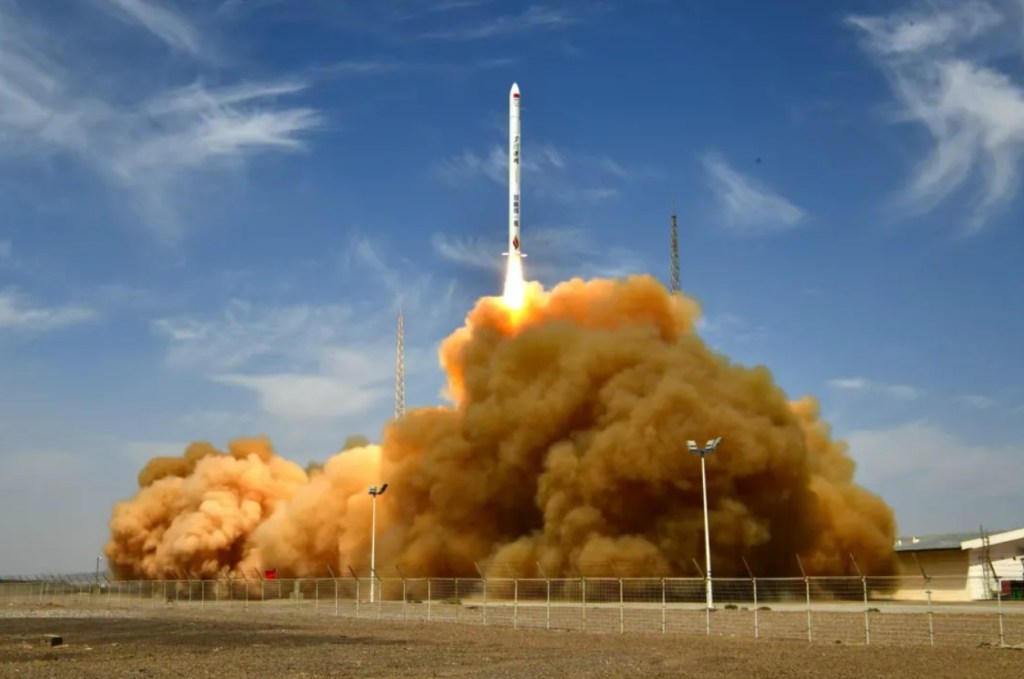
China’s iSpace returns to flight with successful orbital solid rocket launch 

Chinese launch startup iSpace successfully sent a satellite into orbit early Tuesday with a solid fueled rocket mission a year after its previous launch failed. The post China’s iSpace returns to flight with successful orbital solid rocket launch  appeared first on SpaceNews.

China’s iSpace returns to flight with successful orbital solid rocket launch  Read More »
Qwaltec joins Leanspace Partner Ecosystem to Deliver Next-Gen Spacecraft Operations Solutions for the US Market

Leanspace, a European satellite operations technology provider, today announced that Qwaltec, a US-based defense contractor and leading provider of turnkey solutions and engineering services, has joined its growing partner ecosystem […] The post Qwaltec joins Leanspace Partner Ecosystem to Deliver Next-Gen Spacecraft Operations Solutions for the US Market appeared first on SpaceNews.

Qwaltec joins Leanspace Partner Ecosystem to Deliver Next-Gen Spacecraft Operations Solutions for the US Market Read More »

SmallSat heads to Salt Lake City as audience expands

SAN FRANCISCO – More than 4,000 people from 45 countries have signed up to attend the Small Satellite Conference at the Salt Palace Convention Center in Salt Lake City Aug. 10-13. After 38 years in Logan, Utah, SmallSat is moving to Salt Lake City because the convention center and surrounding hotels can accommodate thousands of

SmallSat heads to Salt Lake City as audience expands Read More »

Stanford spinoff EraDrive claims $1 million NASA contract

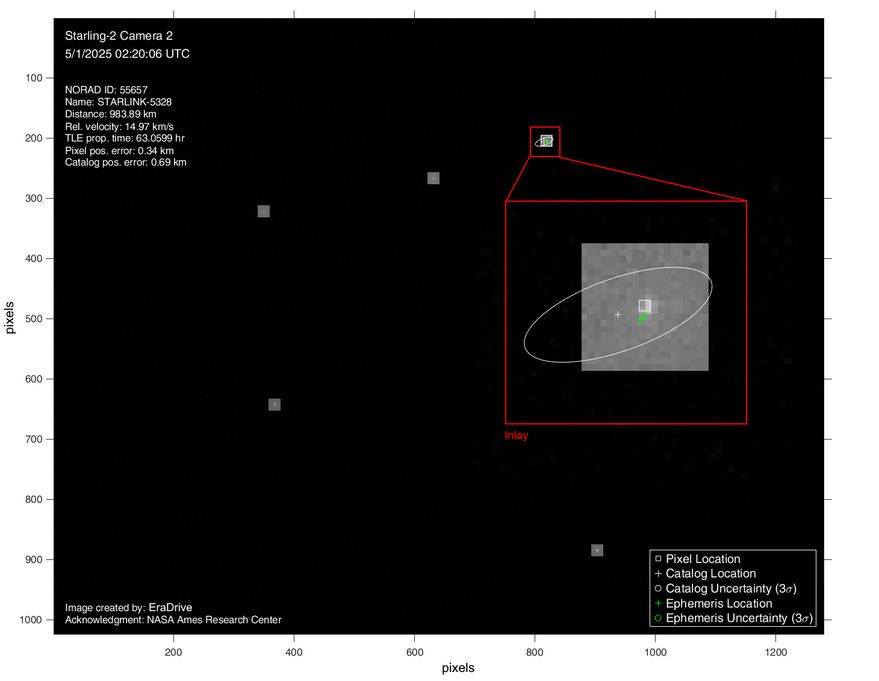
SAN FRANCISCO – EraDrive, a Stanford spinoff, won a $1 million NASA contract to detect, identify and track space objects. It was the first contract for the Palo Alto, California, startup founded earlier this year by Space Rendezvous Laboratory (SLAB) director Simone D’Amico, Justin Kruger, SLAB postdoctoral fellow, and Sumant Sharma, a SLAB alum and

Stanford spinoff EraDrive claims $1 million NASA contract Read More »

Sleepwalking into risk: managing traffic above 60,000 feet

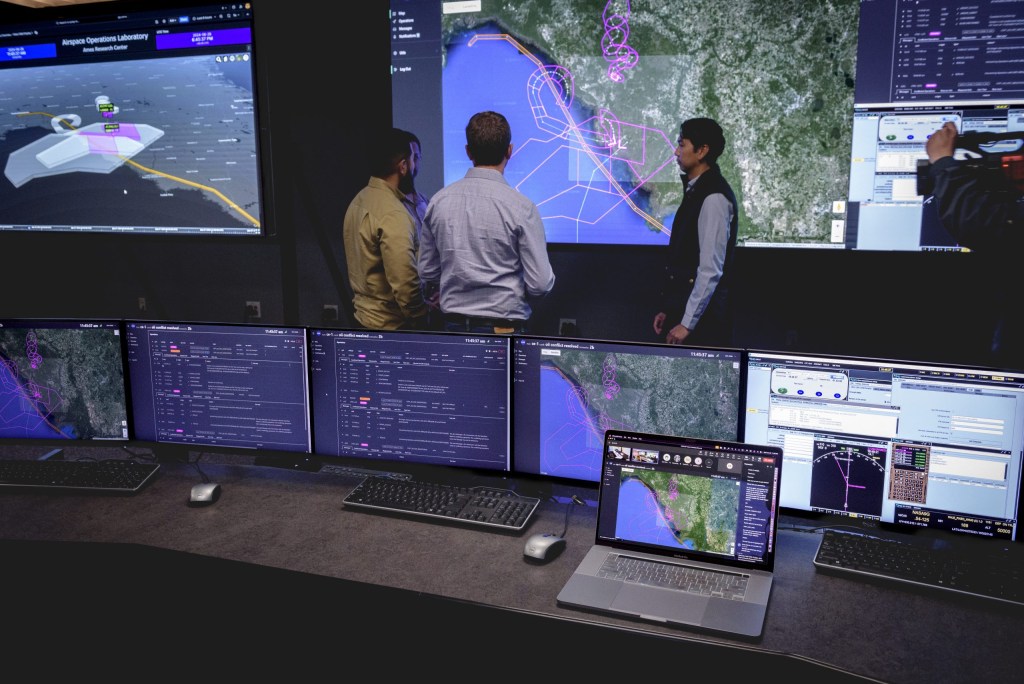
The stratosphere is no longer empty. High-altitude platform and suborbital spaceplane operations are booming, yet our management of “near-space” remains stuck in the last century. We cannot afford to postpone solutions until after a catastrophe. Instead, we must embed new approaches now! High-altitude platforms (HAPs), like stratospheric balloons, solar-powered drones and airships and suborbital space

Sleepwalking into risk: managing traffic above 60,000 feet Read More »