Uncategorized

Amentum begins work at U.S. space launch ranges after protest is withdrawn

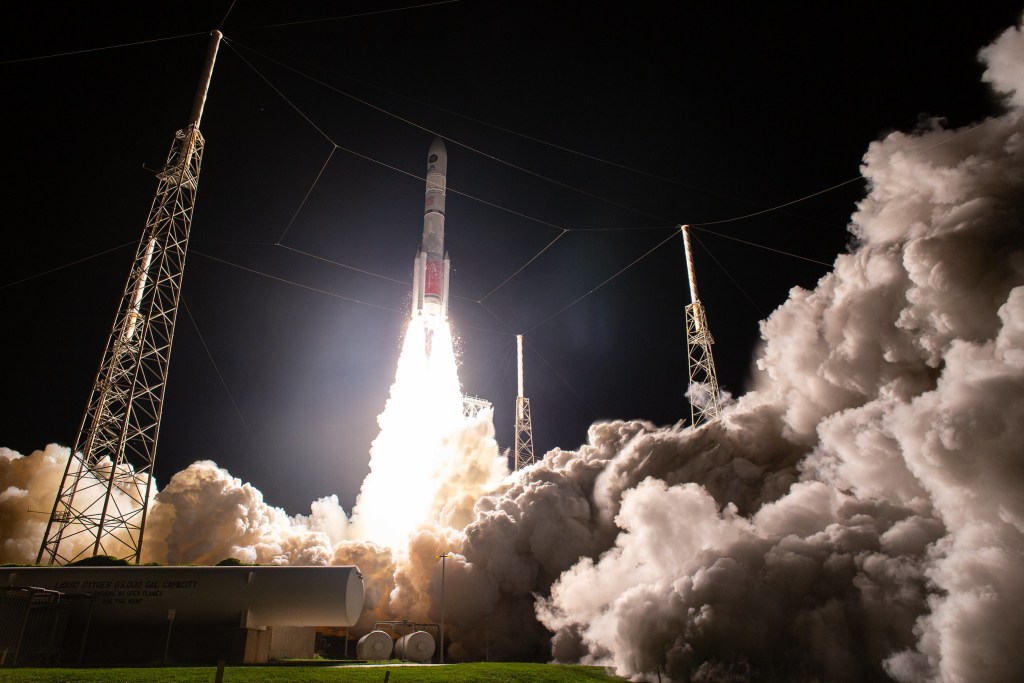
The company won the $4 billion ‘Space Force Range Contract’ for Cape Canaveral and Vandenberg operations. The award had been challenged by the previous incumbent RGNext The post Amentum begins work at U.S. space launch ranges after protest is withdrawn appeared first on SpaceNews.

Amentum begins work at U.S. space launch ranges after protest is withdrawn Read More »
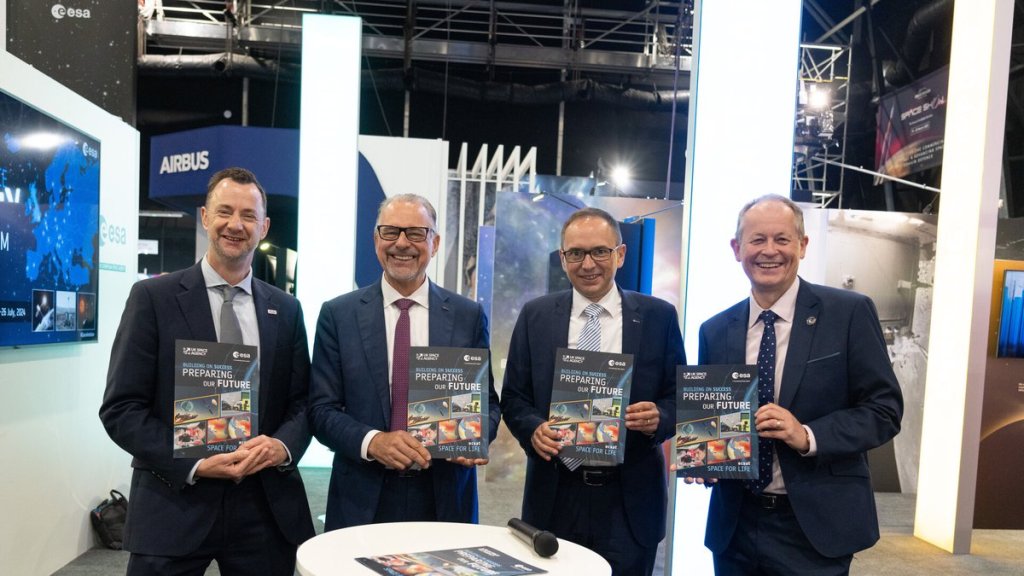
Industry wary of UK Space Agency shake-up

LONDON – A day after the British government announced plans to fold the UK Space Agency into the Department for Science, Innovation and Technology (DSIT), industry leaders said the move could streamline Britain’s space policy but also warned it risked undermining transparency and distracting from upcoming European talks about funding for space programs. The European

Industry wary of UK Space Agency shake-up Read More »

How to reconcile space mining with the Outer Space Treaty

Despite the arrival of privately funded lunar mining companies, advancements in space resource legislation (such as the Commercial Space Launch Competitiveness Act of 2015) and lunar prospecting missions such as LUPEX, one legal hurdle remains that will likely impact the pace of investment in future lunar mining activities: property rights on a celestial body. This issue

How to reconcile space mining with the Outer Space Treaty Read More »

West Virginia joins states handing satellites a tiny share of rural broadband subsidies

SpaceX would get just 1% of the $625 million in rural broadband subsidies proposed by West Virginia, the third state in a row to give satellites only a marginal role in the federal government’s BEAD program. The post West Virginia joins states handing satellites a tiny share of rural broadband subsidies appeared first on SpaceNews.

West Virginia joins states handing satellites a tiny share of rural broadband subsidies Read More »

FAA’s informed consent rules leave space tourists flying blind

The Federal Aviation Administration’s (FAA) current informed consent framework under 14 CFR §460.45 falls dangerously short of adequately warning space flight participants (SFP) about the true risks they face, particularly long-term health consequences that may not manifest until months or years after their journey. This regulatory gap threatens both SFP safety and industry credibility as

FAA’s informed consent rules leave space tourists flying blind Read More »